Why Colorbond Fencing Prices Vary Between Properties
As a general guide, Colorbond fencing in Sydney can cost around $130 to $190 per linear metre, including supply and installation. For a standard 20-metre fence, that’s approximately $2,600 to $3,800 before any additional costs for removing an existing fence, installing gates or dealing with difficult ground conditions.
However, the final price can vary considerably between properties. Factors such as fence height, sloping ground, site access and material requirements can all influence your quote.
Below, we break down the main factors affecting Colorbond fencing costs in Sydney so you can budget more confidently and understand what you’re paying for.
Run Length and Height
The two most obvious factors are how long the fence run is and how high you want it. Standard residential Colorbond comes in heights from 1.2 metres up to 2.4 metres, and the taller you go, the more steel and labour is involved.
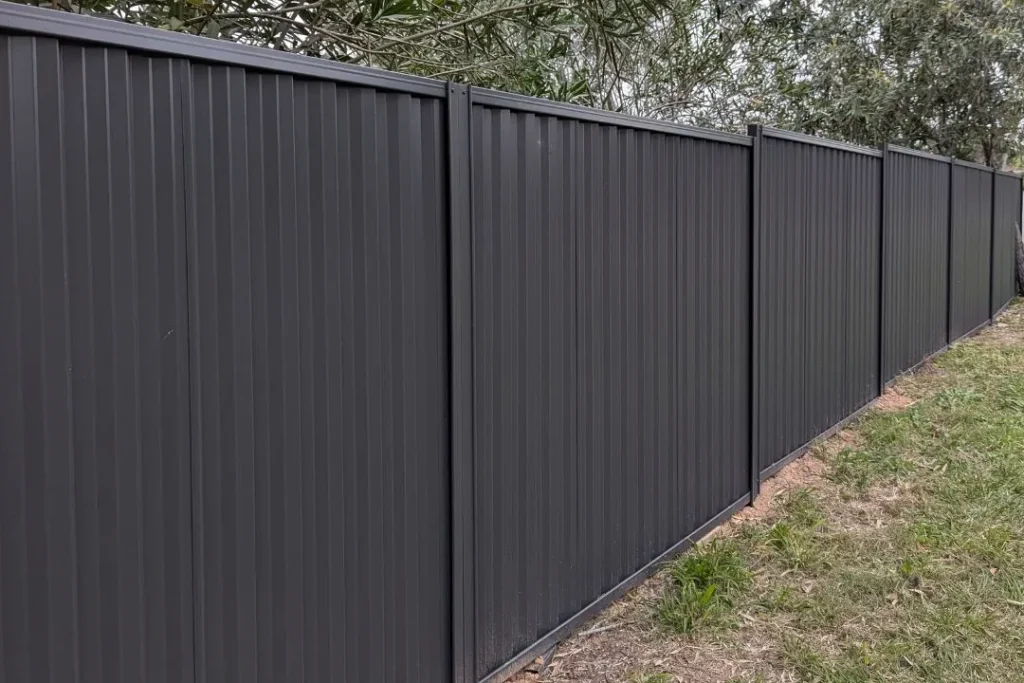
Longer runs generally bring the per-metre cost down slightly because setup time is spread across more panels. Shorter runs on tight suburban blocks can cost more per metre because the fixed costs of the job stay roughly the same regardless of length.
Panel Profile
Colorbond fencing is available in different panel profiles, with popular options including Trimline and other styles offered by individual fencing manufacturers. Each profile creates a different appearance, and availability and pricing can vary depending on the supplier. Your fencer can explain which options are suitable for your property.
Colour selection does not usually move the price significantly, but some colours in the Colorbond range carry a small premium. Your fencer can confirm this when they quote.
Removing and Disposing of the Old Fence
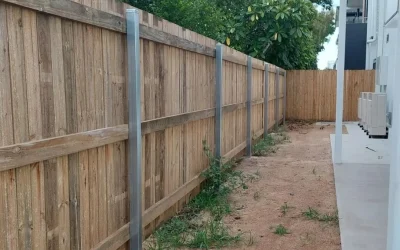
If there is an existing fence to pull out, that adds labour and disposal costs to the job. Timber paling fences are common across the inner west, eastern suburbs and southern suburbs of Sydney, and they take time to remove properly, especially if the posts are set in concrete.
Asbestos cement sheeting occasionally turns up in older fences on Sydney blocks. If that is the case, disposal must follow strict regulations and the cost increases accordingly. A good fencer will flag this during the site measure.
Sloping Ground and Plinths
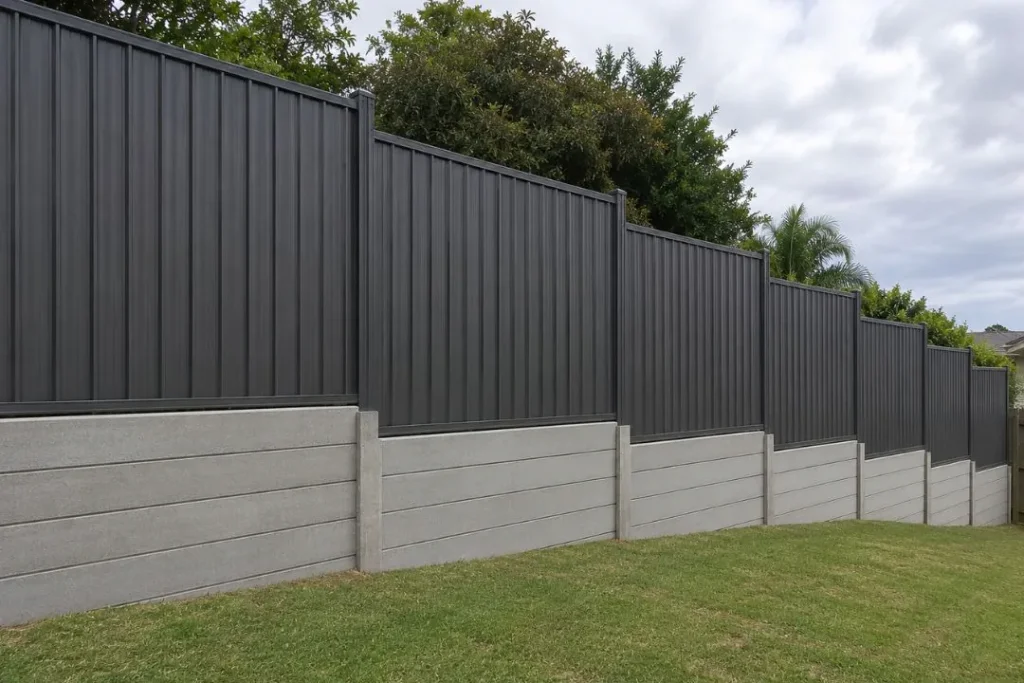
Flat ground is the easiest and cheapest scenario. Sydney blocks, particularly in the inner west and eastern suburbs, are often anything but flat.
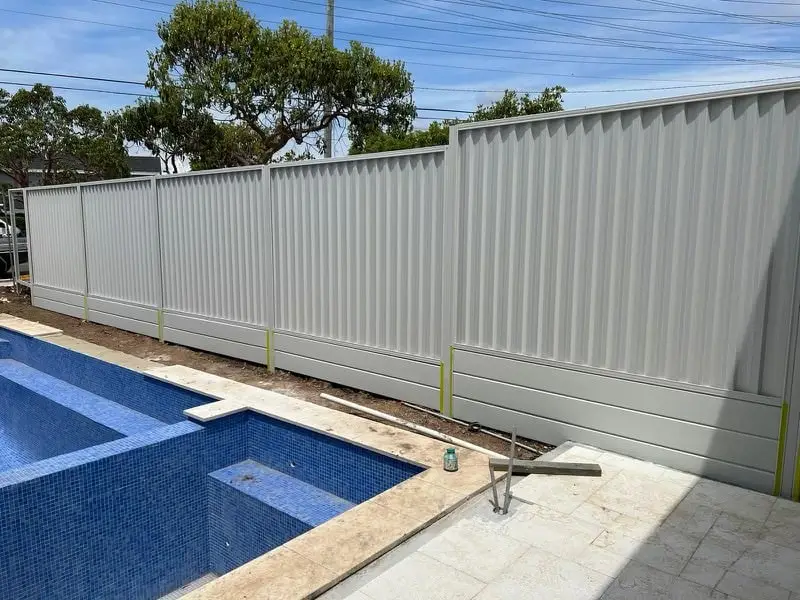
On sloping ground, fence panels can either be stepped, with each section installed horizontally at a different height, or raked to follow the slope. The most suitable approach depends on the gradient, the fencing system and the appearance you want to achieve. Sloping sites can require additional planning, labour and materials.
Tight Side Access
Many Sydney blocks have a narrow side passage between the house and the boundary. When a fencer cannot get equipment or materials through easily, everything takes longer. Posts need to be carried by hand, panels need to be manoeuvred carefully, and the overall labour time goes up.
This is one of the factors that catches homeowners off guard when comparing quotes. Two fences of the same length and height can have noticeably different prices if one has clear access and the other does not.
Adding Gates
Gates are priced separately from the fence run. A standard single pedestrian gate installation adds a meaningful amount to the total, and a double driveway gate adds considerably more because of the hardware, posts and reinforcement involved.
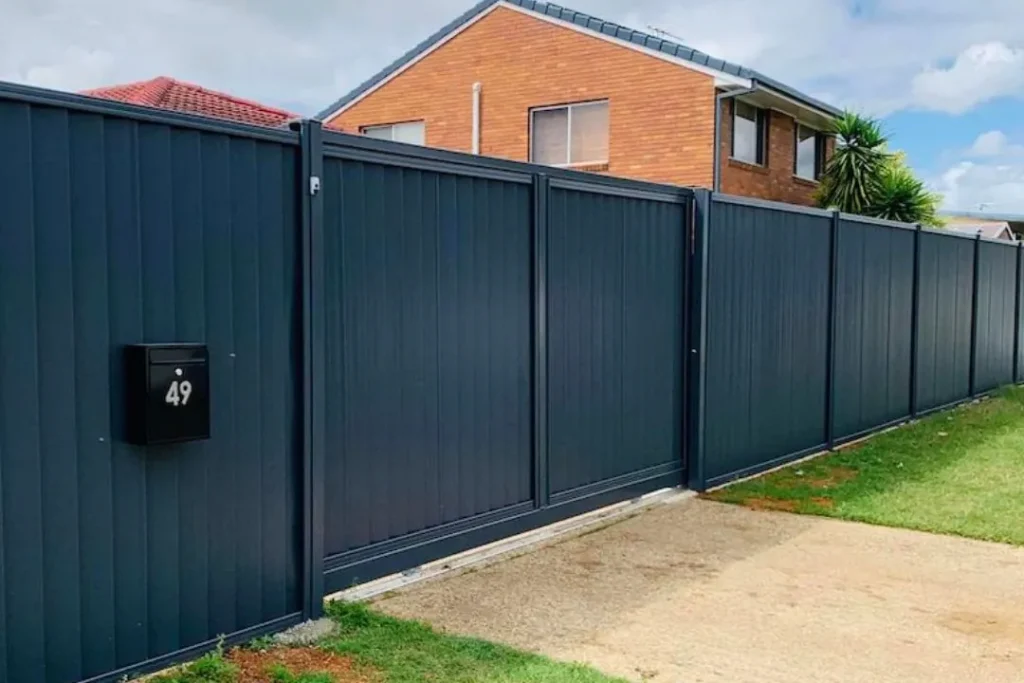
The number of gates, their width and whether they need locks, latches or automation all affect the final figure. If you are budgeting for a full fence replacement, factor in your gate and access requirements from the start rather than adding them as an afterthought.
Splitting the Cost with Your Neighbour
Under NSW fencing law, adjoining property owners are generally required to share the reasonable cost of constructing or replacing a sufficient dividing fence. This is usually an equal contribution, although the amount each owner pays can vary depending on the circumstances. If one neighbour wants a more expensive fence than is reasonably necessary, they may need to cover the additional cost.
It is best to discuss the proposed fence and costs with your neighbour before work begins. If you cannot reach an agreement, you can serve a formal fencing notice outlining the proposed work and contributions. If the dispute remains unresolved, you may be able to seek a decision through NCAT or the Local Court. Understanding these requirements before replacing a boundary fence can help avoid unnecessary disputes.
Local fencing rules and notice requirements can vary, so checking the fencing regulations that apply in your area before you approach your neighbour is a sensible first step.
What a Per-Metre Rate Does and Does Not Tell You
You will often see Colorbond fencing quoted at a per-metre rate. That figure is a starting point, not a final price. It typically covers standard-height panels on flat ground with reasonable access and no demolition.
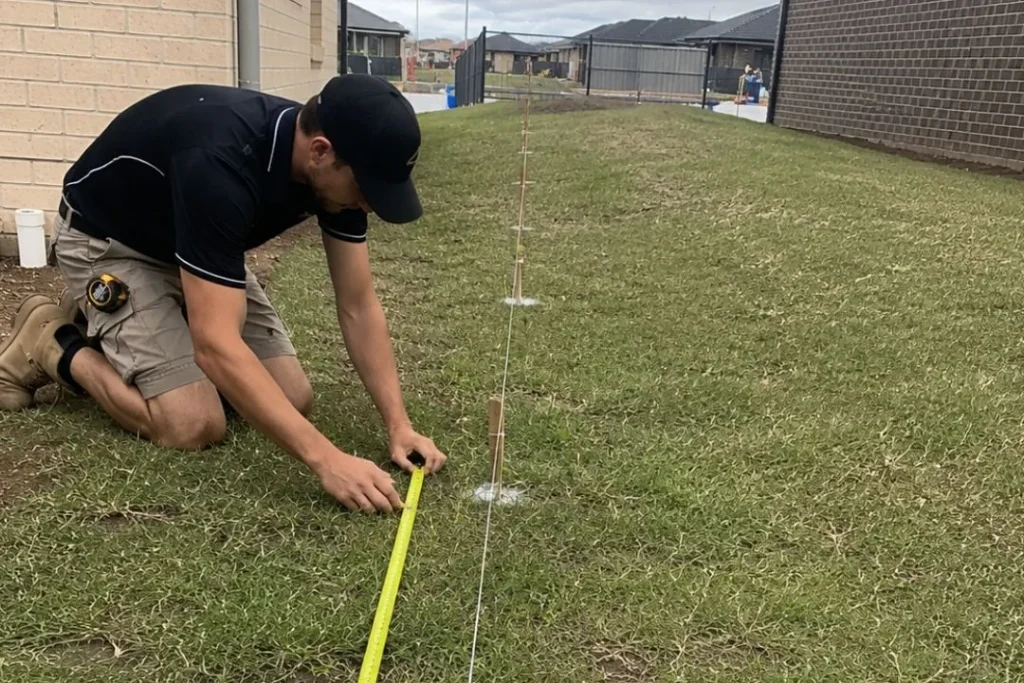
Every variation from that baseline adds to the number. A per-metre rate without a site inspection behind it is an estimate at best. The only way to get a price you can actually rely on is to have someone walk the site.
Getting a Quote That Reflects Your Actual Job
For Colorbond fencing across Sydney, the variables above mean no two jobs are priced the same. A free onsite measure is the only way to account for your specific run length, ground conditions, access constraints and what needs to come down before the new fence goes up.
Ready to Get a Real Number?
We install fencing in St George and Sydney including the Sydney CBD, inner west and eastern suburbs. We come out, measure the fenceline and give you a written quote that reflects what your fence will actually cost to build.
Call (02) 9538 7466 or get in touch online to arrange your free onsite measure and quote.